


Keeping Hay Equipment Running Through the Season: Five Habits To Help Reduce Downtime
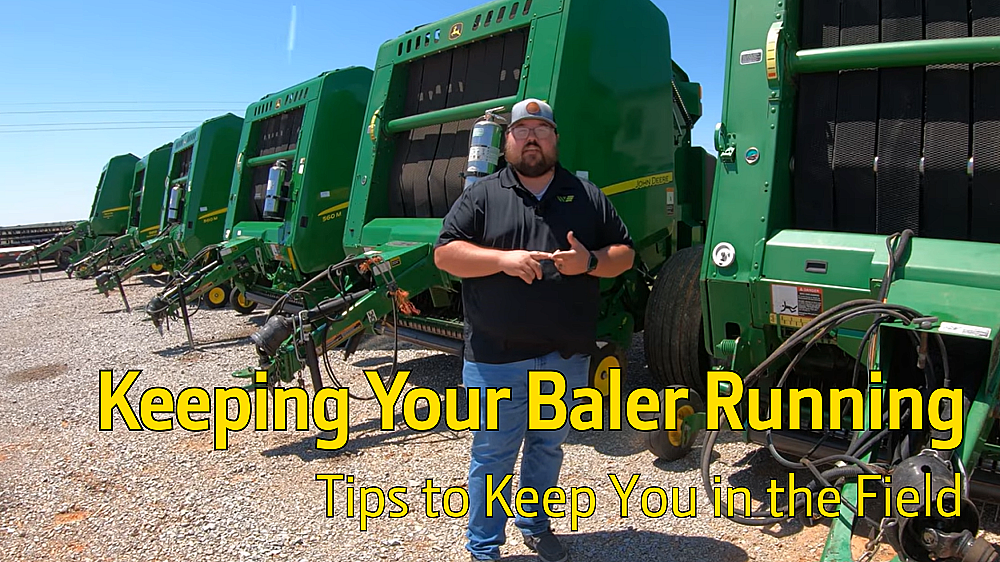


Mother nature has thrown many of us for a loop this season, but even if your schedule this year looks different than most, the truth still stands - when hay is ready, there's no time to waste.
Every weather window matters, and a few unexpected hours of downtime can affect forage quality, delay the next cutting, or leave you scrambling for parts when you'd rather be in the field. The good news is that many baler problems don't happen without warning. In fact, your equipment is often telling you something long before it comes to a stop. Whether it's a warning on the display, an unusual noise, or a change in bale quality, recognizing those signs early can help prevent a small issue from becoming a major repair.
Keeping your hay equipment running isn't just about following a maintenance schedule. It's about understanding how your machine works, paying attention to changing field conditions, and making small adjustments throughout the season. Here are five habits that can help keep your operation productive from the first cutting to the last.
1. Let Your Baler Tell You What's Wrong
Today's John Deere round balers are equipped with monitors that do much more than count bales. They continuously monitor key systems and alert operators when something isn't functioning as expected. When a warning or fault code appears, it's easy to assume the worst, but that's not always the case. Many alerts simply point you toward the area of the machine that needs attention. A net wrap warning, for example, doesn't necessarily mean something has broken—it could be as simple as debris interfering with the wrapping system or a component that needs adjustment. Taking a few minutes to review the message before climbing out of the tractor can save valuable troubleshooting time and help you get back to work faster.
2. Understand That Field Conditions Affect Your Equipment
Not every issue starts with the machine itself. Hay that's too damp, oversized windrows, sandburs, sticks, or other field debris can all change how crop material feeds through the baler. As conditions become more challenging, the pickup, belts, rollers, and net wrap system have to work harder, increasing the likelihood of plugging or inconsistent bale formation. Instead of pushing through difficult conditions, adjust your operation as needed. Slowing ground speed, matching windrow size to crop conditions, or stopping briefly to remove accumulated debris can reduce stress on the machine and improve bale consistency. Small adjustments throughout the day often prevent much larger problems later on.
3. Listen Before Something Breaks
Experienced operators know that equipment usually gives warning signs before a failure occurs. A squeaking bearing, an unusual vibration, or a change in the sound of the baler may not seem like much at first, but those subtle changes often indicate that a component is beginning to wear. Bearings are a great example. Nearly every roller inside a round baler depends on bearings to keep belts moving smoothly. As a bearing begins to fail, it often creates heat or unusual noise long before it locks up completely. Catching that early can prevent damage to rollers, belts, and surrounding components while reducing the chances of an unexpected breakdown in the field.
4. Prepare for the Repairs You Can Predict
No matter how well equipment is maintained, some parts simply wear over time. Pickup teeth, chain links, belts, shear bolts, and net wrap are all components that eventually need attention. Keeping commonly used replacement parts and the tools needed for basic repairs on hand can save hours during hay season. Something as simple as a broken chain link or missing pickup tooth doesn't have to end the day if you're prepared. Having a few essential spare parts on hand allows you to make quick repairs and get back to baling while conditions are still favorable.
5. Build a Routine That Prevents Downtime
One of the most valuable maintenance tools doesn't cost anything, it's consistency. A quick walk-around before heading to the field gives you an opportunity to spot hydraulic leaks, loose hardware, damaged belts, worn pickup teeth, or crop residue that's accumulated around moving parts. It also gives you a chance to grease bearings and chains according to the recommended service intervals before wear becomes an issue. These inspections don't take long, but they create familiarity with your equipment. The more familiar you are with your machine, the easier it becomes to recognize when something isn't quite right.
Small Habits Lead to Big Results
Hay season is demanding on both equipment and operators, but many breakdowns can be avoided by paying attention to the details. Understanding what your monitor is telling you, adapting to changing field conditions, listening for unusual sounds, carrying common replacement parts, and making daily inspections part of your routine can all help reduce downtime and keep your operation moving.
While these in-season habits can make a big difference, one of the best ways to prepare for next year's hay season is by taking advantage of the off-season. Scheduling a winter inspection at your local Western Equipment gives our technicians the opportunity to thoroughly inspect your equipment, identify worn or damaged components, and make recommended repairs before the first cutting of the season. Addressing those issues during the winter helps reduce the risk of unexpected downtime when every weather window counts.
