


Are You Connected? Five Ways John Deere Operations Center Can Help You
July 28, 2026
Read More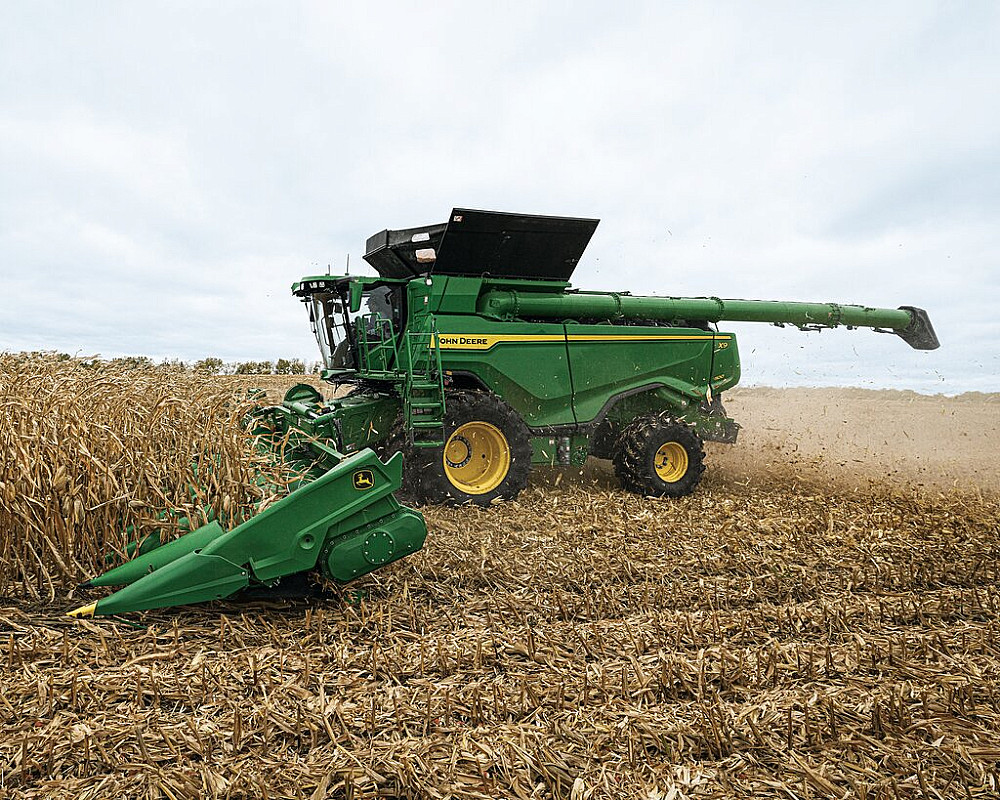


Every harvest season has one thing in common—Whether you're harvesting silage, corn, or milo, weather, crop conditions, and tight schedules leave little room for downtime. That's why some of the most important work of harvest happens weeks before the first acre is cut.
Ask any experienced producer, and they'll likely tell you the same thing: harvest is the wrong time to discover a problem you could have fixed early in late summer or early fall. A little time spent inspecting your equipment now can help reduce downtime, improve efficiency, and keep your operation moving when every hour in the field counts.
Harvest Has a Way of Finding Weak Points
Harvest places more stress on a machine than almost any other time of the year. Long days, dusty conditions, heavy crop loads, and extended operating hours quickly expose worn components that may have seemed "good enough" just a few weeks earlier.
That's why experienced operators don't wait for something to fail. They prepare before the season begins by inspecting wear parts, addressing small repairs, and making sure every machine in the harvest lineup is ready to go. The goal isn't just to avoid breakdowns—it's to avoid losing valuable harvest time when crop conditions are ideal.
It All Starts at the Header
Every successful harvest begins at the front of the combine.
Whether you're harvesting corn or milo, the header is responsible for delivering crops evenly into the feeder house. Worn gathering chains, damaged deck plates, bent snouts, dull knives, or damaged belts can reduce feeding performance before the crop even reaches the threshing system.
The feeder house then carries that crop into the combine, delivering it consistently to the threshing and separating systems. When feeder chains become worn or improperly adjusted, crop flow can become uneven, increasing stress on the machine and affecting overall harvesting performance.
Taking time to inspect these components before harvest helps ensure the crop moves smoothly through the entire machine from the very first pass.
Did You Know?
Many combine breakdowns don't begin with a major component failure. A worn bearing, stretched chain, or damaged belt often fails first, but if it's ignored, it can damage surrounding components and turn a relatively inexpensive repair into several days of downtime.
Small Wear Parts Make a Big Difference
Belts, chains, bearings, sprockets, augers, and elevator chains are all designed to wear over time. While they're relatively small compared to the rest of the combine, they play a critical role in keeping the machine operating efficiently.
Bearings are a perfect example. Their job is to support rotating shafts and rollers throughout the machine. As bearings begin to wear, they often create excess heat or unusual noise long before they fail completely. Catching those warning signs early can prevent damage to surrounding components and keep repairs from becoming much more extensive.
The same is true for belts and chains. Proper tension and routine inspections help ensure power is transferred efficiently throughout the machine while reducing unnecessary wear on driveline components.
Technology Is Part of Harvest Preparation Too
Preparing for harvest isn't just about mechanical inspections.
Today's John Deere combines collect valuable information every time they enter the field, but that information is only useful if the technology is ready to perform.
Before harvest begins, verify that your display software is up to date, yield monitors are calibrated, and documentation settings are configured correctly. Spending a little extra time now helps ensure the information you collect throughout harvest is accurate and useful.
Accurate harvest data does more than create maps. It helps compare hybrid performance, evaluate management decisions, identify field trends, and improve planning for future seasons. Good decisions next year often begin with good data collected this year.
Look Beyond the Combine
The combine may be the centerpiece of harvest, but it's only one part of the operation.
Grain carts, trucks, trailers, and support equipment all play an important role in keeping harvest moving efficiently. Inspect tires, wheel bearings, hydraulic hoses, PTO drivelines, lighting, and braking systems before heading to the field.
Looking at your entire harvest operation, not just the combine—can help eliminate bottlenecks and reduce unnecessary delays once harvest is underway.
Don't Ignore the Little Things
Hydraulic leaks. A squealing bearing. An intermittent warning light. A vibration that wasn't there yesterday.
These issues rarely fix themselves.
More often than not, they're the machine's way of telling you something deserves attention. Addressing small concerns before harvest begins is usually faster, less expensive, and far less stressful than dealing with a breakdown after the crop is ready.
Why Now Is the Right Time
One of the biggest advantages of preparing in now is having time on your side.
Scheduling inspections and repairs before harvest gives technicians the opportunity to thoroughly inspect your equipment and identify worn components before they become major issues. It also provides time to order parts, complete repairs, and ensure your equipment is field-ready before service departments become their busiest.
For many producers, that preparation can mean the difference between spending harvest in the field or spending valuable days waiting on repairs.
Harvest Success Starts Before Harvest
Successful harvests aren't built on luck—they're built on preparation. Investing time before the season begins to inspect equipment, replace worn components, verify technology, and address repairs helps protect your investment while reducing the risk of costly downtime when every acre counts.
One of the best ways to prepare is by scheduling a preseason inspection at your local Western Equipment. Our technicians can inspect your combine, header, and supporting equipment, identify components showing signs of wear, and recommend repairs before harvest is in full swing. Addressing those issues now helps reduce unexpected downtime and gives you greater confidence when it's time to roll into the first field.
Before You Head to the Field
 Compare {{items.length}}/4